
Seasonal Route Conditions and Best Times to Visit
What to expect on the trail throughout the year, including surface conditions, weather patterns, and which seasons offer the most enjoyable cycling experience.
Spring: When the Trail Comes Alive
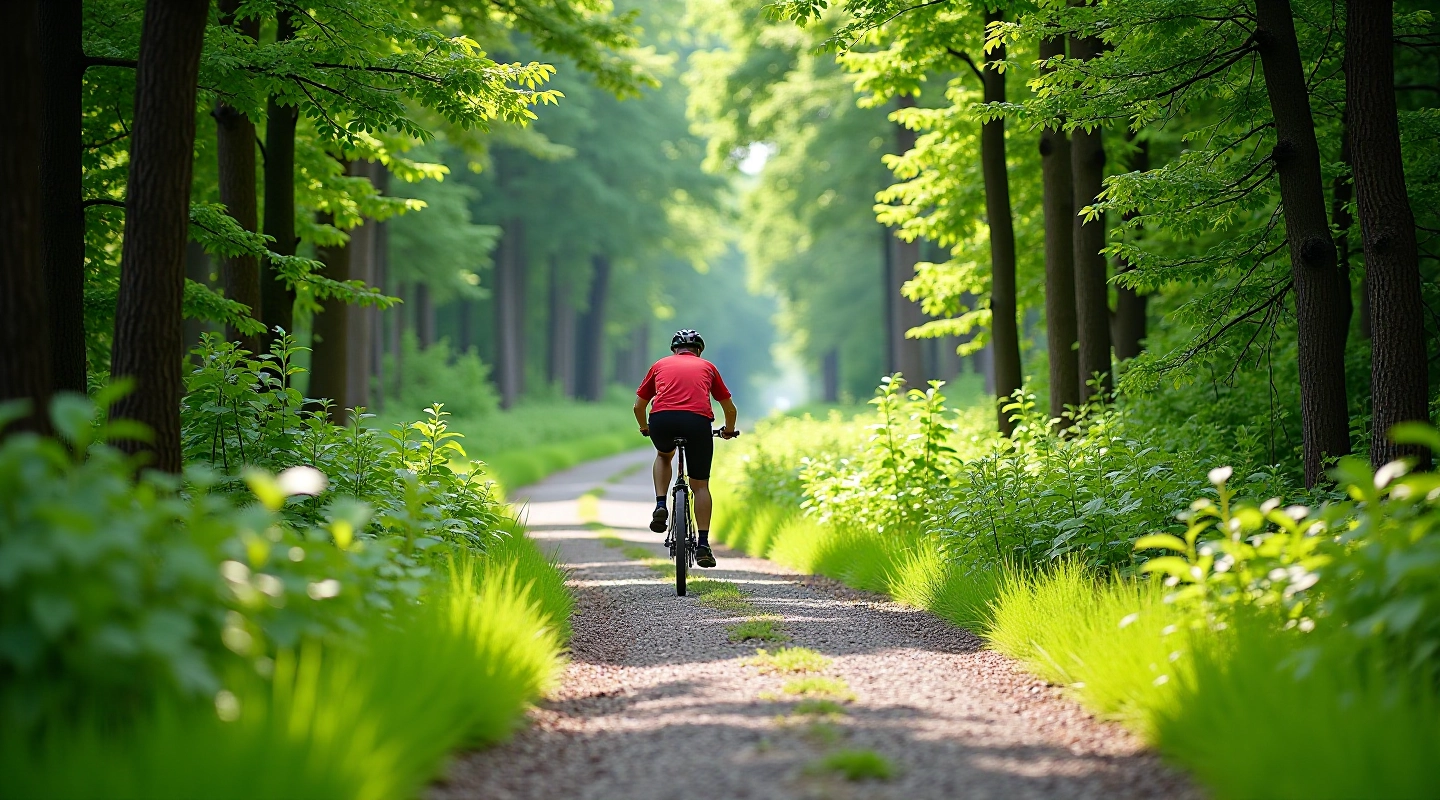
Spring's a wonderful time to get back on the trail after winter. You'll notice the gravel surface can still be soft in patches — especially after heavy rain in March and April — so taking it easy for the first week or two makes sense. The good news? By late April and May, conditions really settle in.
Temperatures hover between 10-15°C (50-59°F) in early spring, climbing to 15-20°C (59-68°F) by May. You'll want a light jacket and maybe a windproof layer. The trail gets busier as the season progresses, especially on weekends. Wildlife's active too — you might spot deer grazing in the forest clearings, particularly in the early mornings.
Summer: Peak Riding Season
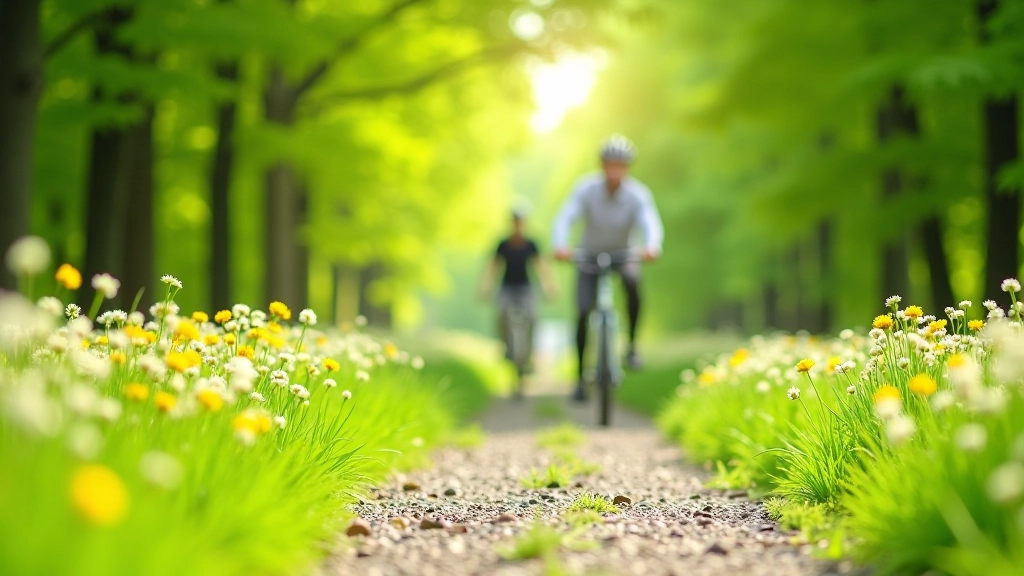
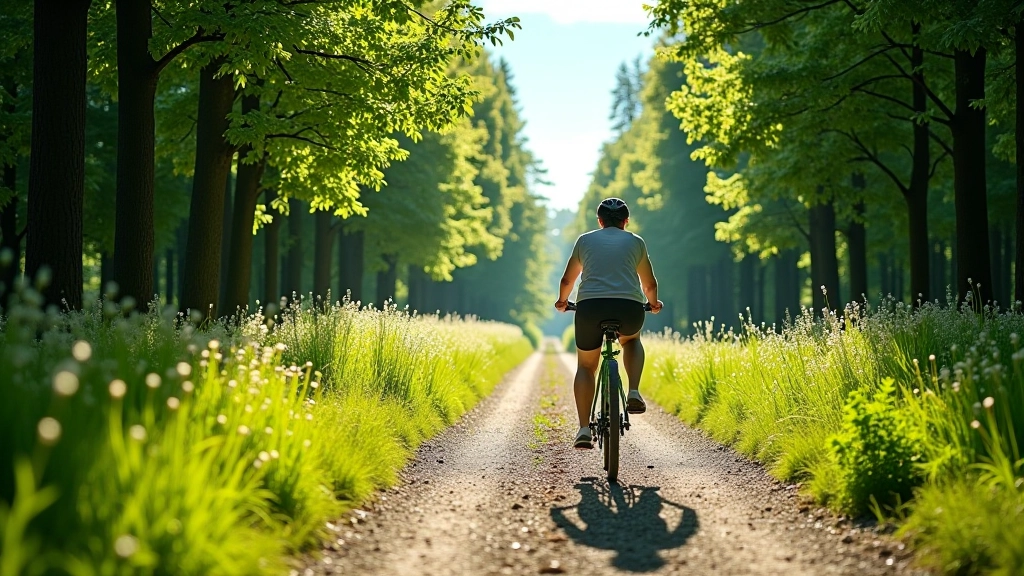
Summer is genuinely the best time to ride. The trail's in top condition — the gravel's firm and well-packed, and you won't encounter muddy sections. Temperatures range from 18-25°C (64-77°F), though it can occasionally hit 28°C (82°F) in July and August. You're looking at long daylight hours too, which means you can ride comfortably until 8 or 9 PM.
The downside? Crowds. June through August sees the most visitors, especially on weekends and during school holidays. If you prefer quieter rides, aim for weekday mornings. Insects can be annoying in July — midges and mosquitoes are active near the forest edges, particularly at dawn and dusk. A bit of insect repellent goes a long way.
Important: Choose activities that match your fitness level. Check local trail conditions before travelling — weather changes can affect surface stability. If you have health concerns or haven't cycled recently, speak with your GP before starting a new activity.
Autumn: Golden Light and Quieter Trails
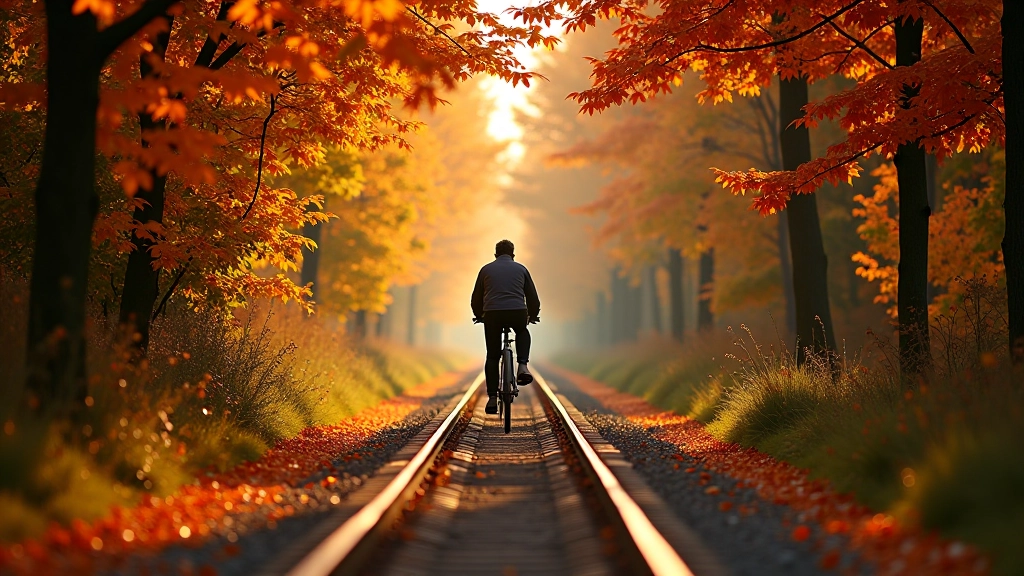
Autumn's underrated. September through October offer some of the most beautiful riding you'll experience. Temperatures drop to 12-18°C (54-64°F), which is ideal for sustained effort without overheating. The light's softer, the air's clearer, and the forest puts on a show with changing foliage — the canopy shifts from green to gold to deep red.
The trade-off? You need to watch for fallen leaves covering the gravel. They're not dangerous, but they can hide small stones or ruts. Take corners slightly wider than usual and brake a bit earlier. Rain becomes more frequent in October and November, so the surface can get damp and sometimes muddy. Most cyclists find September the sweet spot — summer crowds have dispersed, conditions are still solid, and the weather's genuinely pleasant.
Winter: For the Committed Cyclist
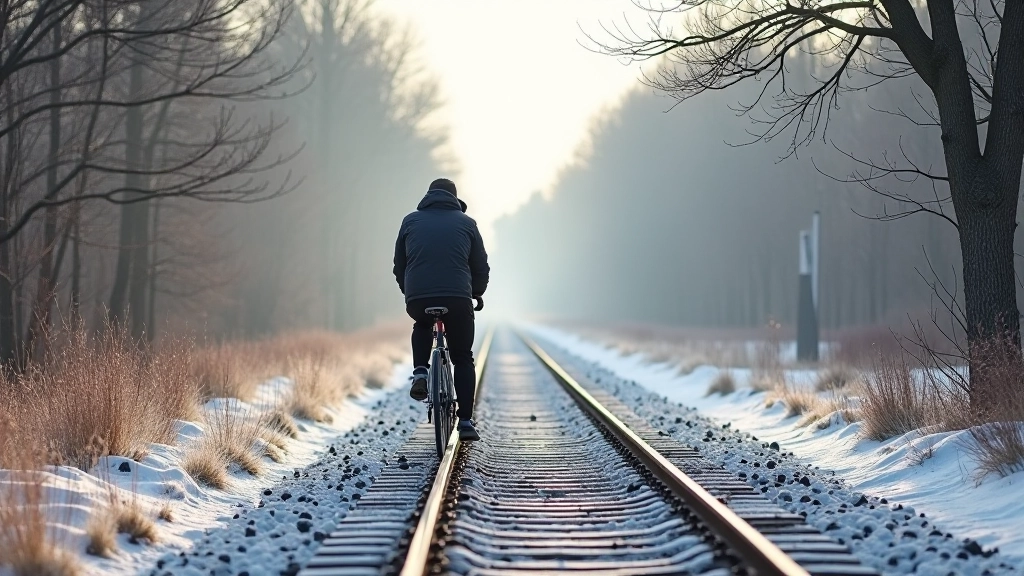
Winter's not for everyone, but it's manageable if you're prepared. Temperatures drop to 0-8°C (32-46°F), with occasional freezing conditions. The biggest challenge isn't cold — it's moisture. December and January bring rain and occasionally sleet. The gravel surface can become waterlogged, and in rare cases (usually just a few weeks in January-February), frost can make things slippery.
That said, you won't encounter heavy snow on this route — the forest shelter and the trail's maintenance mean it clears quickly. If you do ride in winter, go slower than usual. Wet gravel's less forgiving than summer conditions. Visibility's poor too, especially in the afternoon when darkness falls by 4 PM. Quality lights aren't optional. A warm waterproof jacket, gloves, and maybe toe warmers make the experience far more pleasant. And honestly? There's something special about having the entire trail to yourself on a crisp winter morning.
Making Your Choice: Best Times to Ride
So when should you actually go? Here's the honest breakdown:
Best Overall
September and May — weather's reliable, crowds are manageable, and surface conditions are excellent. You'll ride comfortably and safely without needing specialist gear.
Best for Comfort
June and July — longest daylight, warmest temperatures, but expect company on weekends. Go on weekday mornings if you value solitude.
Best for Scenery
October — the forest's at its most dramatic, and the light's perfect for photography. Conditions are still solid if you stay in early October.
What you should avoid? Late October through March if you're not experienced with variable conditions. Not because it's dangerous — it's not — but because the trail demands more attention and preparation. Gravel gets soft, visibility drops, and weather changes fast.
The Real Pattern
Here's what actually matters: this trail's rideable year-round. It's maintained consistently, never gets dangerously icy, and the forest shelter protects you from harsh winds. What changes is comfort and conditions. Spring's muddy but hopeful. Summer's busy but reliable. Autumn's beautiful and underrated. Winter's quiet if you don't mind the cold and darkness.
Pick a season that matches your experience level and what you actually enjoy. New to cycling? Start in May or September. Love company and don't mind crowds? June through August. Seeking peace and don't mind variable conditions? October. Want the whole experience? Ride it in all seasons — you'll understand the trail completely that way.