
Forest Station Rest Stops and Facilities
Comfortable rest areas positioned along the route, featuring shelter, seating, and water access for refreshment breaks
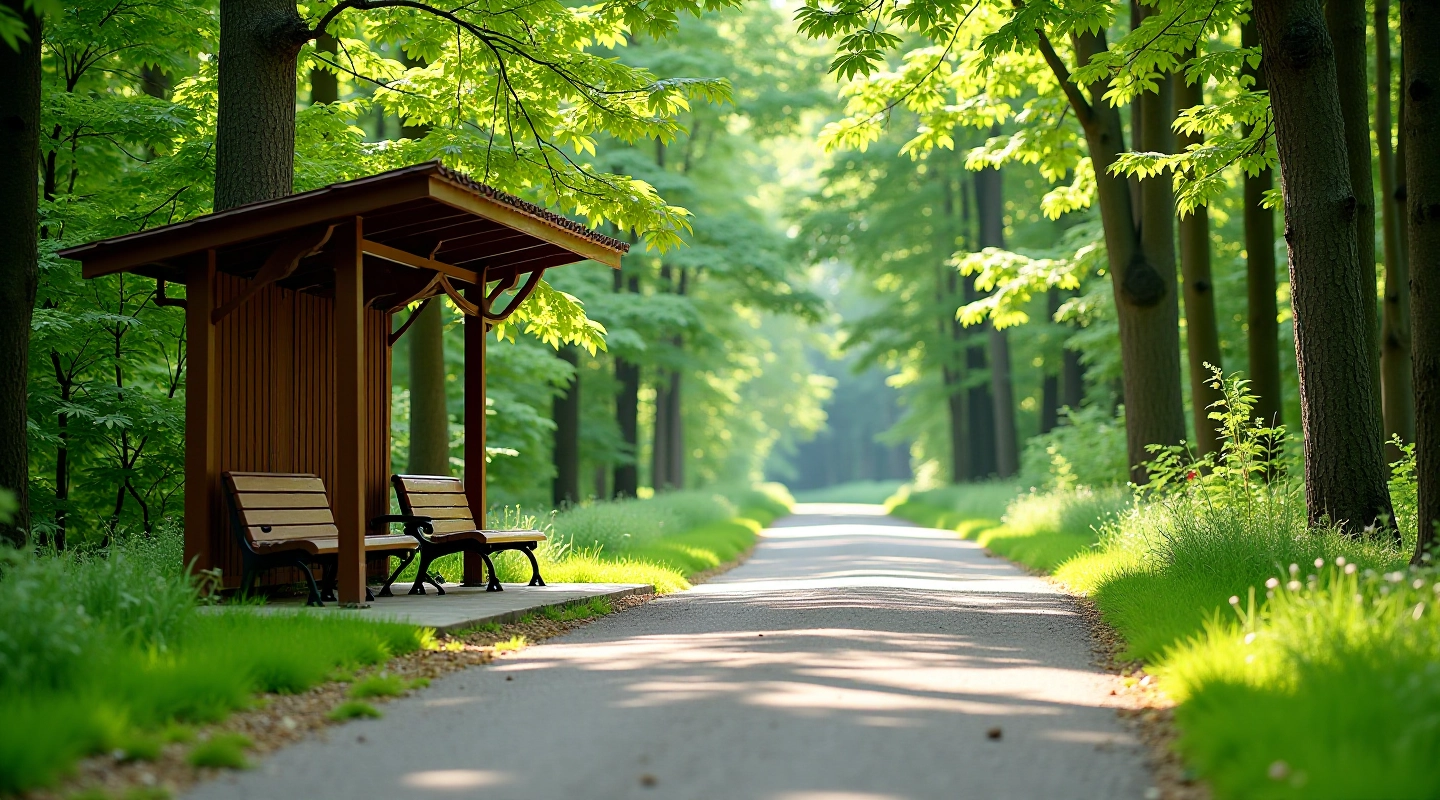
When you're cycling along the heritage railway corridor, those rest stops aren't just nice to have — they're essential. Whether you're a seasoned rider or getting back into cycling after years away, taking breaks matters. The good news is the route has thoughtfully placed facilities that make stopping comfortable and refreshing.
You'll find eight main rest areas scattered along the corridor. Each one's been designed with real cyclists in mind. Not fancy, but practical. Benches that actually support your back, shelters that work when the weather turns, and water points so you can refill your bottle. That's what you need when you've been pedaling for an hour or two.

What Each Rest Stop Offers
Seating Areas
Solid wooden benches with backrests. Most stations have between 4-6 benches arranged in small groupings. They're sturdy and weathered well — built to last through seasons of use.
Weather Shelter
Open-sided wooden structures provide protection from rain and direct sun. They're not fully enclosed, which keeps air flowing. Most have roofs that extend far enough to shield you from light rain.
Water Access
Hand pumps and standing water fountains at strategic points. The water's clean and tested regularly. Bring a collapsible bottle or cup to fill up — they're lightweight and easy to carry.
Information Boards
Each station has a map showing where you are on the route and distances to the next stops. Route history details are posted too. Helpful if you want to understand what you're cycling through.
Waste Bins
Designated bins for rubbish keep the areas clean. Separate recycling containers at most stations. Everyone benefits when people pack out what they bring in.
Bike Parking
Simple stands designed to support your bike securely while you rest. Usually space for 4-8 bikes at each station. You can leave your bike while you stretch your legs and grab water.
Finding the Rest Stops Along the Route
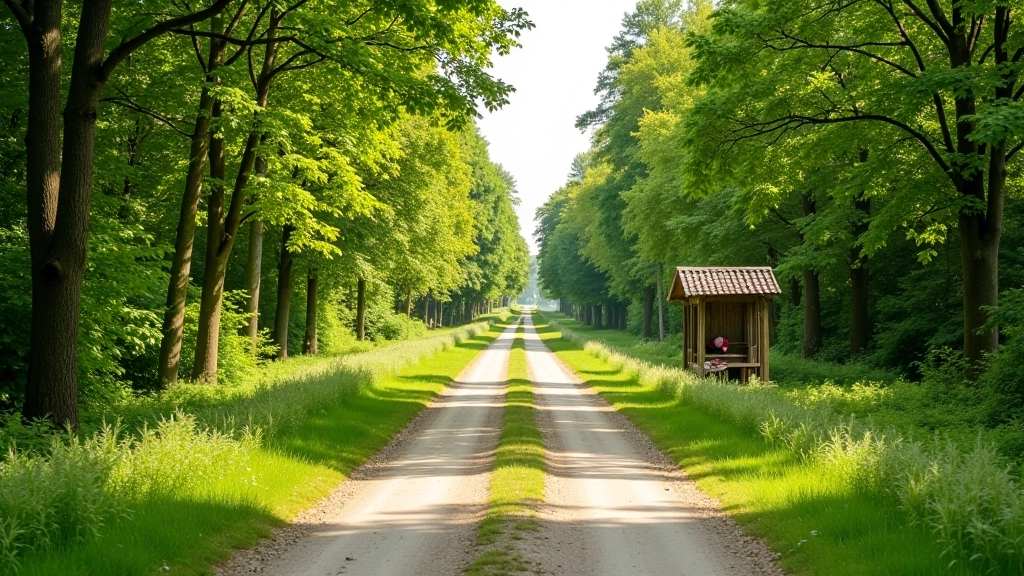
The eight rest stops are positioned roughly every 3-4 kilometers along the main corridor. That spacing means you're never more than 25-30 minutes of easy cycling from a place to stop and recover.
Starting from the northern terminus, the first station appears after about 4 kilometers of riding. It's a good warm-up point if you need to catch your breath early. The middle sections have the most traffic, so those rest areas tend to be busier on weekends. But they're spacious enough that crowding isn't really an issue.
The southern stations are quieter, especially on weekday afternoons. If you prefer solitude, timing your ride for Tuesday or Wednesday mornings means you might have entire rest stops to yourself. The final station sits just under 2 kilometers from the southern endpoint — perfect for a final break before the last push home.
Pro tip: Download a route map before you go. The stations aren't marked with signs visible from far away. Having the map means you won't miss them, and you'll know exactly how far until the next one.
Making the Most of Your Stops
A good rest isn't just about sitting down. It's about using your break time to recover properly and stay comfortable for the rest of the ride. The difference between a pleasant afternoon and a tough slog often comes down to how you use these stops.
Timing Your Breaks
Don't wait until you're exhausted to stop. That's the mistake lots of people make. Instead, take a 10-15 minute break every 45 minutes or so. Your legs stay fresher, your mood stays better, and you actually enjoy the experience more. You're not racing — you're exploring.
Hydration and Snacks
Bring more water than you think you'll need. A 750ml bottle isn't enough for a full day ride, even with the water stations. Pack some energy too — fruit, a sandwich, or energy bars. The stops give you time to refuel properly, not just water down.
Stretching Matters
When you stop, actually stand up and stretch. Walk around for a few minutes. Your hips, lower back, and neck will thank you. Sitting for 45 minutes then immediately sitting on the bike again isn't ideal. Movement between efforts keeps you from getting stiff.

Keeping Facilities in Good Shape
The local cycling community volunteers help maintain these rest stops. Twice a year, groups organize work days to repair benches, repaint shelters, and clear fallen branches. That's how the facilities stay usable for everyone.
If you notice something damaged — a broken bench, a pump that isn't working, or a bin that needs emptying — report it. Local trail management contacts are listed on the information boards at each station. They respond quickly because they care about the route staying accessible.
Before you ride: Choose activities that match your fitness level, check local conditions before travelling, and speak with your GP if you have health concerns before starting a new activity.
Rest Stops Make the Ride Better
Good rest facilities transform a cycling trip from something you endure into something you genuinely enjoy. You're not fighting through discomfort — you're taking regular breaks, hydrating properly, and actually experiencing the landscape around you.
The eight stations along the heritage railway corridor do exactly that. They're positioned thoughtfully, maintained well, and designed for real people who want to ride at a comfortable pace. Whether it's your first time cycling this route or your fifth, these stops matter. They're where you catch your breath, stretch your legs, refill your bottle, and remind yourself why you came out here in the first place.
Next time you're planning a ride, factor in the stops. Don't treat them as checkpoints to race past. Treat them as part of the experience. Sit for 15 minutes, look around, drink some water, and appreciate the quiet. That's cycling done right.
Ready to explore the full route?
Browse All Trail Guides