
Getting Started on the Main Corridor Route
A practical introduction to the primary cycling trail that follows the historic narrow gauge railway line through forest landscapes. Perfect for those just starting out.
Understanding the Route Basics
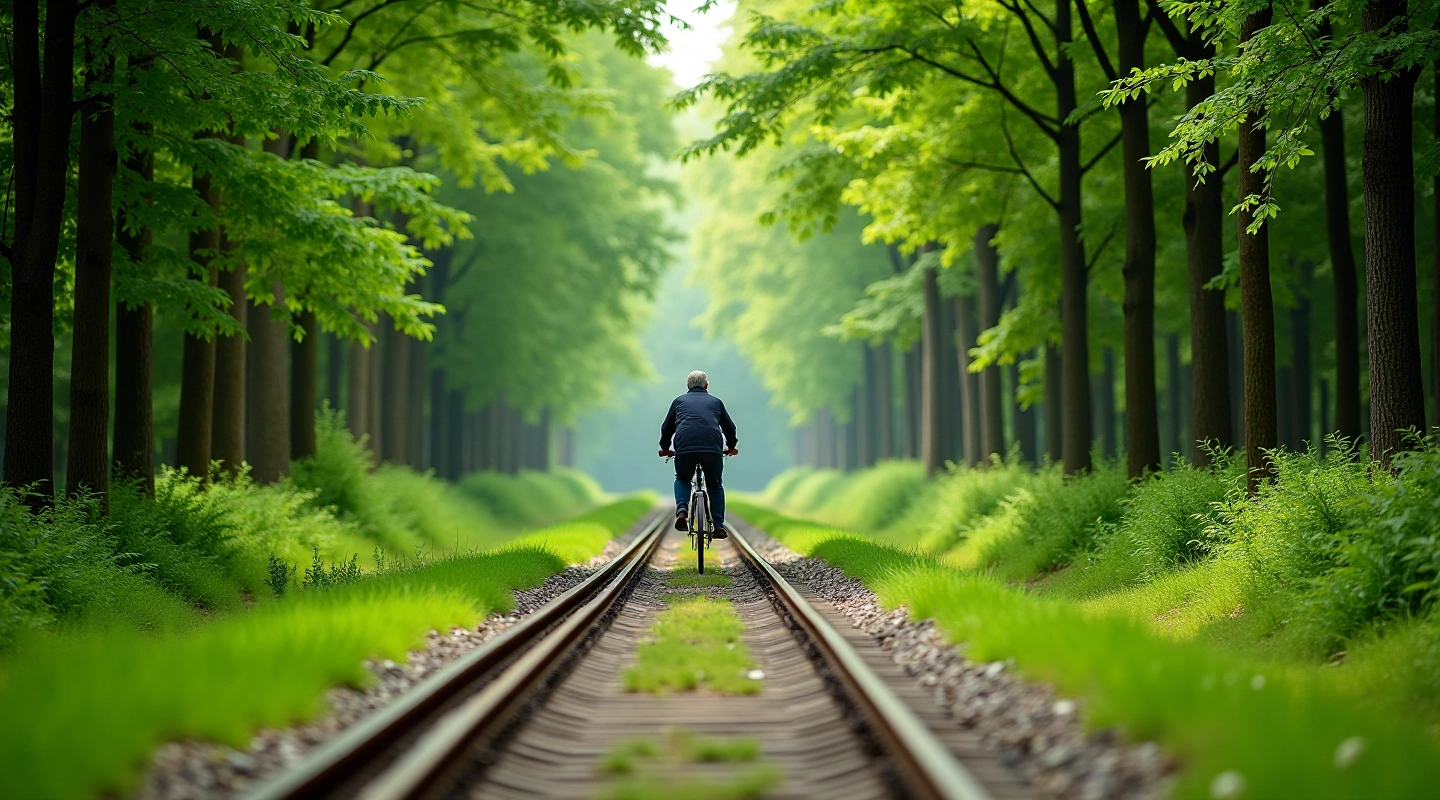
The Main Corridor Route follows the original narrow gauge railway line that once connected communities through the forest. It's now a well-maintained cycling path that's perfect for getting comfortable on your bike without steep climbs or technical challenges.
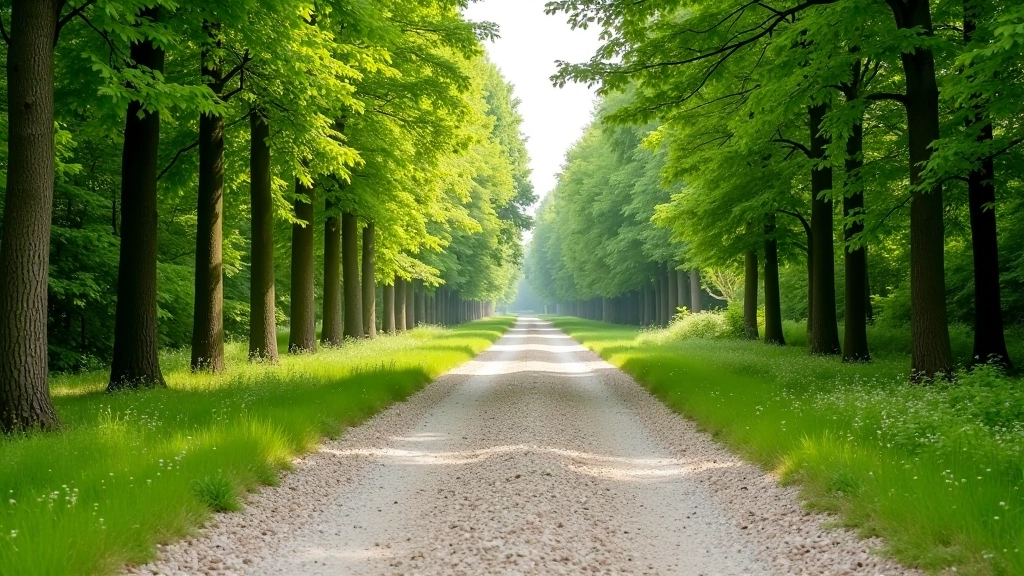
You'll find the trail is mostly flat with gentle curves. The surface is compact gravel in most sections, which gives good grip and makes for smooth pedaling. Most riders find it's the kind of route where you can settle into a comfortable rhythm pretty quickly.
The route stretches about 12 kilometers one way. Don't worry — you don't need to do the full distance on your first ride. Many people start with 3-4 kilometers, turn around, and head back. It's a good way to build your confidence without overextending yourself.
Before You Head Out
Check your bike's tire pressure and brakes before starting. Bring at least one water bottle — there are rest stops at the 3km and 8km marks, but it's better to have water with you from the beginning. A small repair kit (spare tube, pump, multi-tool) gives you peace of mind, though you probably won't need it.
Getting the Pace Right
Beginners often make the same mistake — they start too fast. The good news? You don't need to race. This route isn't about speed. It's about enjoying the forest, feeling your fitness improve, and actually wanting to come back the next week.
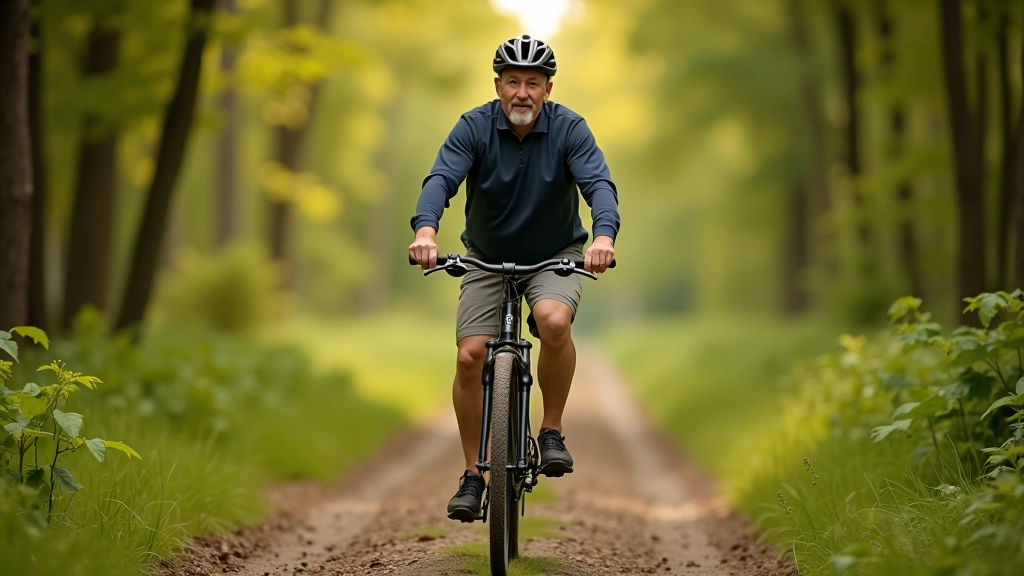
A comfortable pace means you can still talk to someone riding with you without gasping for breath. If you're riding solo, you should feel like you could continue for another hour without struggling. Most people maintain about 12-15 kilometers per hour on this route, but honestly, there's no score for going faster.
The rhythm matters more than the speed. Find a cadence that feels natural — somewhere around 70-90 pedal rotations per minute works well for most riders. It's worth experimenting to see what feels right for your body.
What to Expect Throughout Your Ride
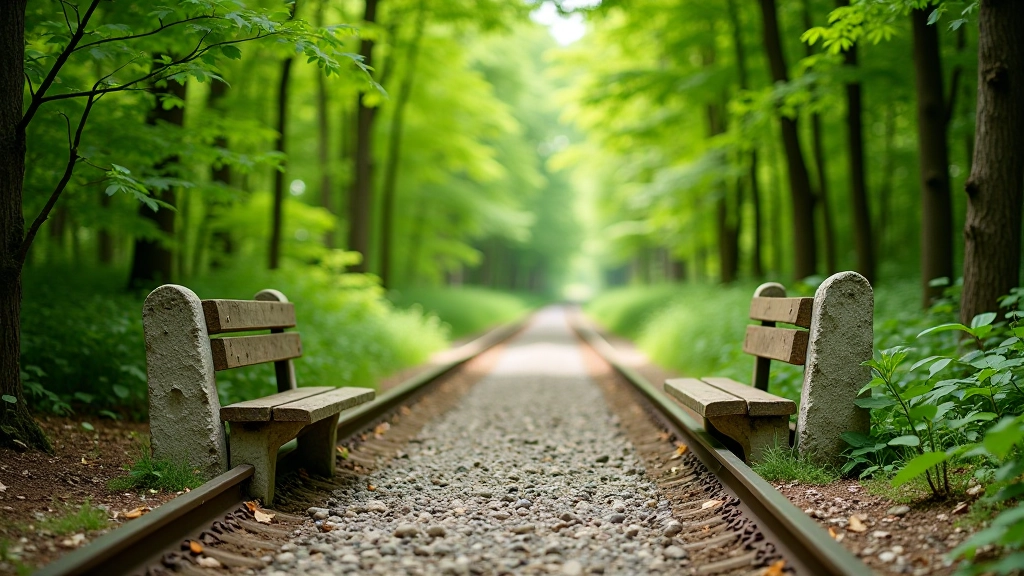
The first section takes you through mixed forest with good tree coverage. It's lovely and shaded, especially on warm days. You'll notice the old railway features — stone markers, bench seats, and occasional sections where the embankment is still visible.
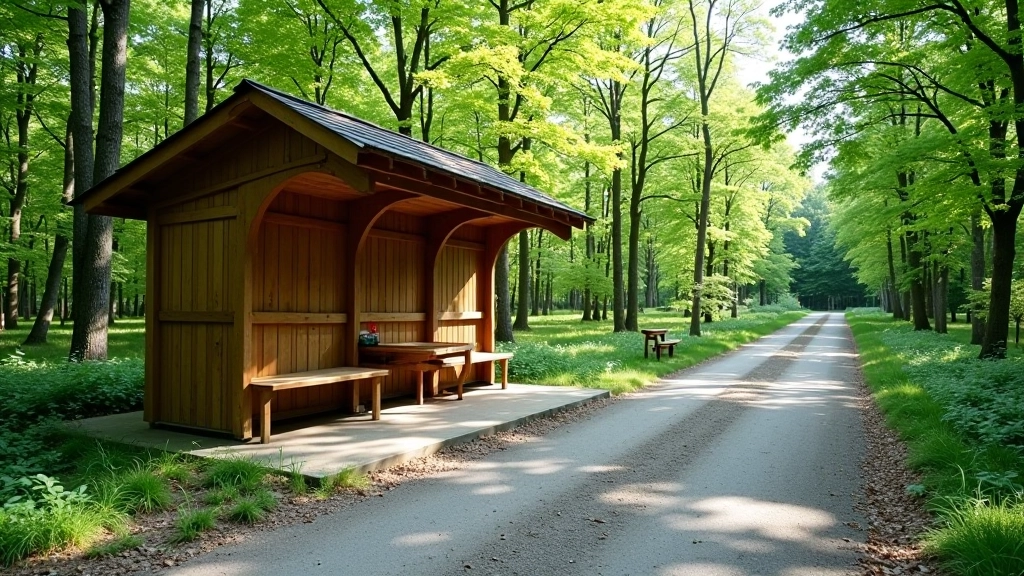
Around the 4-5 kilometer mark, the forest opens up slightly. There's a small clearing with a shelter and a proper rest stop. This is a natural place to catch your breath, have a drink, and maybe stretch your legs. Don't feel pressured to keep going if you're enjoying the spot.
The path continues through denser forest again, with some gentle rolling sections. Nothing steep, but enough variation to keep things interesting. Most people feel stronger by the time they reach the 8 kilometer rest stop — your body adapts surprisingly quickly.
Knowing Your Route Points
Start point: Main entrance at the forest edge, clearly marked with a signboard. 3km rest stop: Small shelter with bench seating. 8km rest stop: Larger facility with water fountain and information panels. 12km turnaround: Forest deepens, good spot to rest before heading back. The return journey uses the same path, so you'll recognize everything on the way back.
Building Fitness Over Time
Your first ride might be 4-5 kilometers, and that's absolutely fine. Week two, you might feel ready for 7-8 kilometers. By week four or five, many people find they're comfortable doing 12 kilometers without needing a break at the rest stops.
The beauty of a regular route is that you notice the improvements. Your legs feel stronger. You're not breathing as hard. The path feels familiar. These small wins are what keep people coming back, week after week. It's not about pushing yourself to the limit — it's about gradual, sustainable progress.
Aim for consistency over intensity. Two or three rides per week, at whatever distance feels right for you, will build your fitness faster than one exhausting ride followed by a month off. The forest will still be there next week, and the week after.
Starting Your Journey
The Main Corridor Route isn't intimidating. It's welcoming. You'll see other riders of all ages and fitness levels, many of them taking it at their own pace. Some people chat at the rest stops. Others prefer solitude. Both approaches are fine here.
Pick a day when you're feeling reasonably rested. Don't wait for perfect weather — a bit of cloud cover actually makes for pleasant riding. Start early if you can, when the forest is quiet. Bring your water bottle, wear something comfortable, and just go for a ride.
You'll probably be surprised by how good it feels to move through the forest on a bike. The pace is yours to choose. The distance is yours to decide. That's what makes this route special — it works for whoever shows up.
Before You Go
Choose cycling distances and speeds that match your current fitness level. Check local weather and trail conditions before heading out. If you have any health concerns or haven't exercised regularly, it's worth having a quick chat with your GP before starting a new activity. The trail is generally well-maintained, but always stay alert for other cyclists and watch for uneven sections.